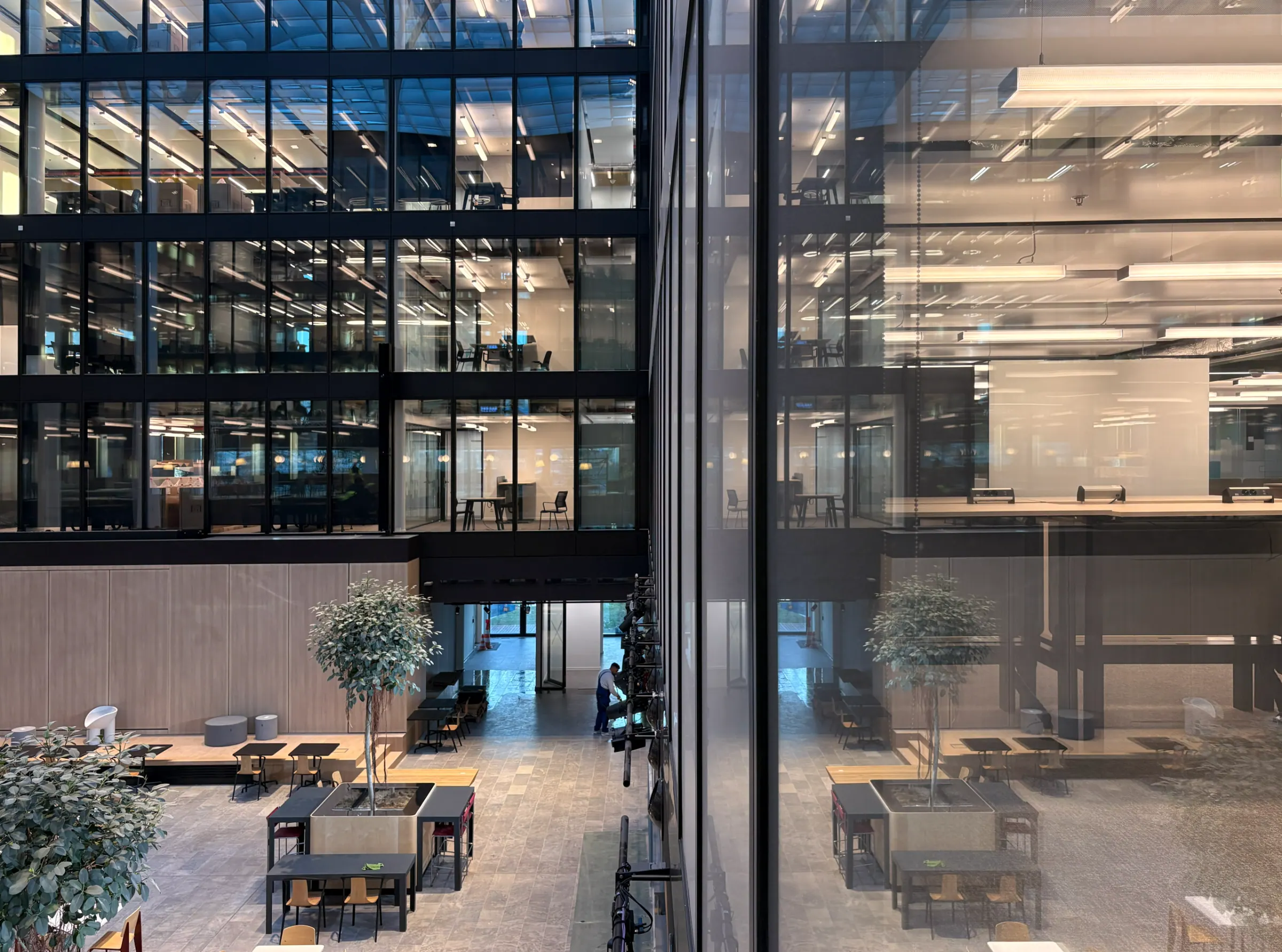
There are moments in an architect’s life when projects begin to look more like questions than like the shape of buildings. MUC21 was one of them.
But before the story gets there, I feel the need to go back a little, not in time, but inward. Through the lines I place here, I’d like to answer a question I’m asked often, but one I feel I truly hear less and less: What is architecture to me?
The answer is as simple as it is complex: architecture means responsibility, leaving a place better than you found it. It means assuming that every line you draw, no matter how small, has consequences in the life of someone you may never meet; knowing that you don’t design for yourself, nor for a portfolio, nor for a beautiful photograph. You design for people, for their time, their paths, their quiet. Architecture is, I believe, the most concrete form of care we can have for the world.
I didn’t start studying architecture with the illusion that I would change the world. But I remembered something I once read about Mies van der Rohe: that long before he reduced the world to “less is more”, he learned how to eliminate everything that wasn’t responsible, everything that wasn’t necessary. To me, that is the first truth of this profession.
And perhaps because of that truth, I sensed from the very beginning that MUC21 would not be just a project.I knew it would ask us to be more attentive, more disciplined, more lucid. I was equally aware that it would be a place where architecture would reveal its most important side: ethics. Consistency, patience, respect for detail, these are lines you don’t simply draw; they are drawn inside you. Architecture is not what you see. Architecture is everything you are not allowed to get wrong.
MUC21, Amazon’s corporate office in Munich, officially opened in November 2025, represents not only a significant architectural endeavor, but also an important professional milestone within my role in a much larger collective effort. The building brings together approximately 2,500 employees under one roof across 45,000 m² of office space, designed to foster collaboration, creativity and employee well-being. The office integrates social areas, modern meeting rooms, and flexible workspaces, all while targeting top-tier sustainability standards, including LEED Platinum certification, through energy-efficient technologies and resource-conscious solutions.
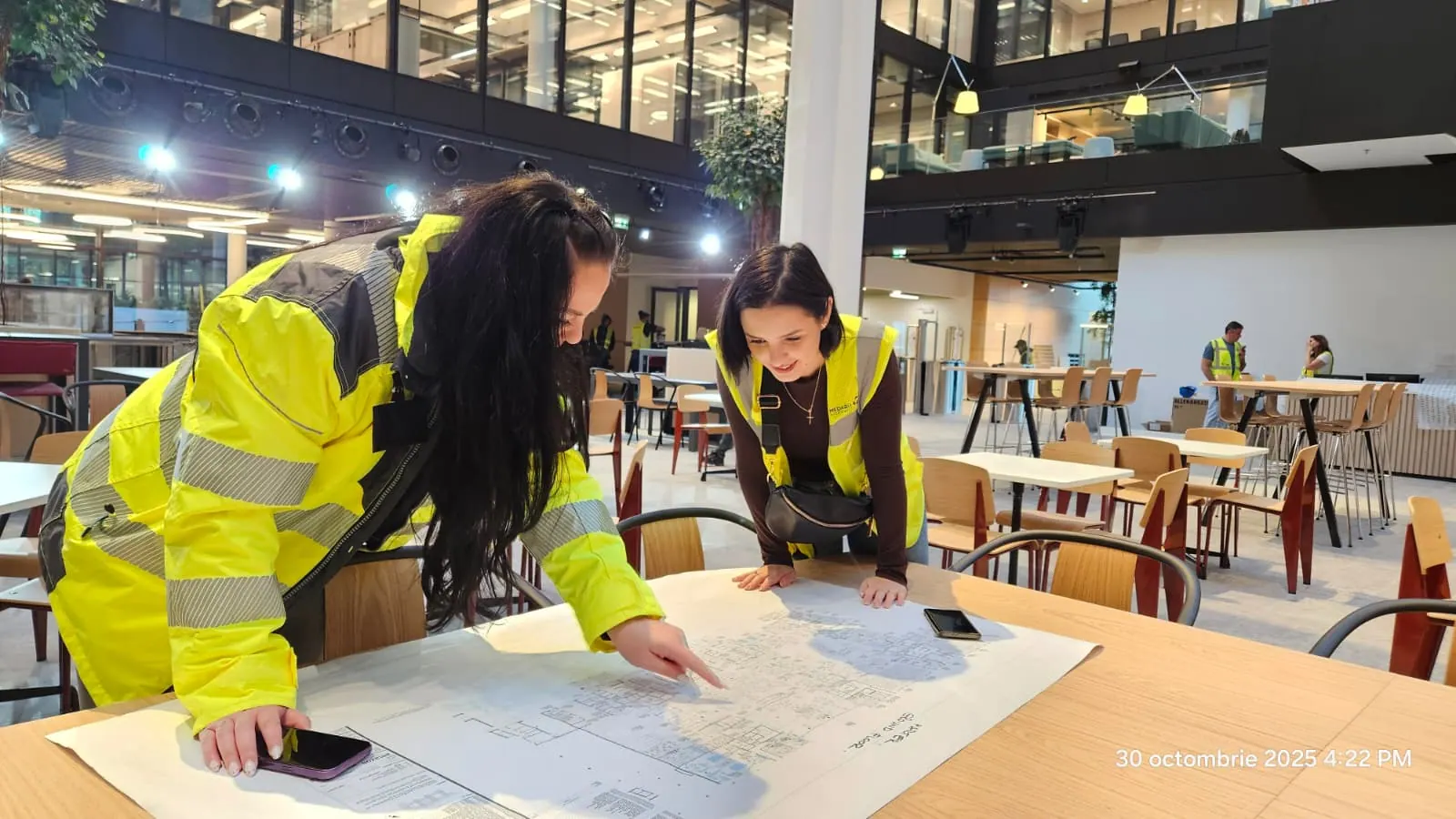
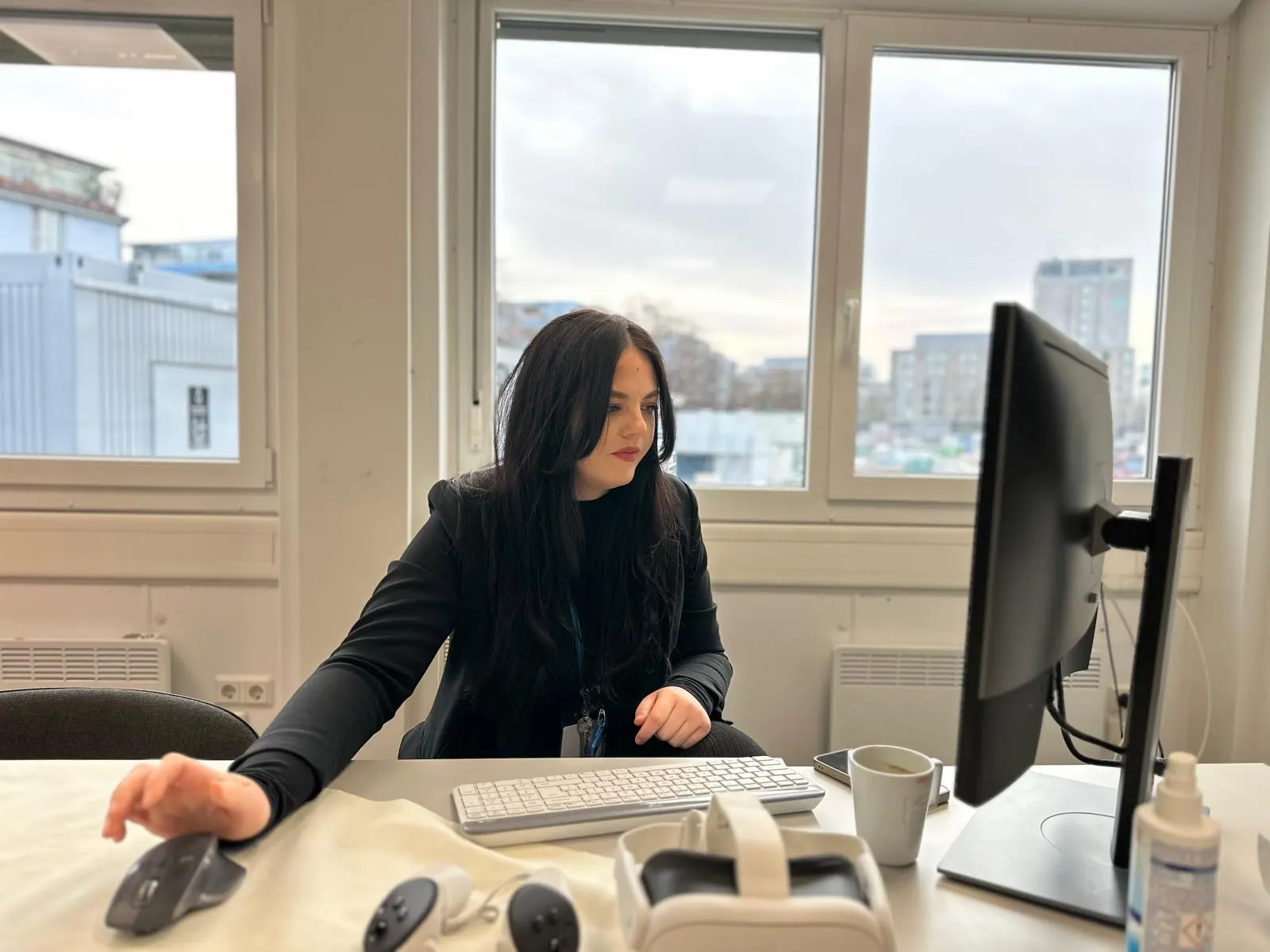
Some projects are drawn in a few months and built within a year, or more. And then, there are projects like MUC21, which challenge you to grow alongside them. There were long evenings, sometimes far too long, when models had to be reset, details rethought, plans reimagined. Not because they were necessarily wrong, but because they weren’t yet worthy of the reality they were meant to generate. There, in that dense quiet, I understood something important: architecture doesn’t test your talent, it tests your character.
With every revision, with every corner discussed three times, with every meeting where we tried to harmonize disciplines that seemed incompatible, something was being refined within us, not just in the project. The truth is that progress isn’t spectacular, it isn’t aesthetic, it isn’t Instagrammable. Progress is silent. Sometimes exhausting, but always necessary.
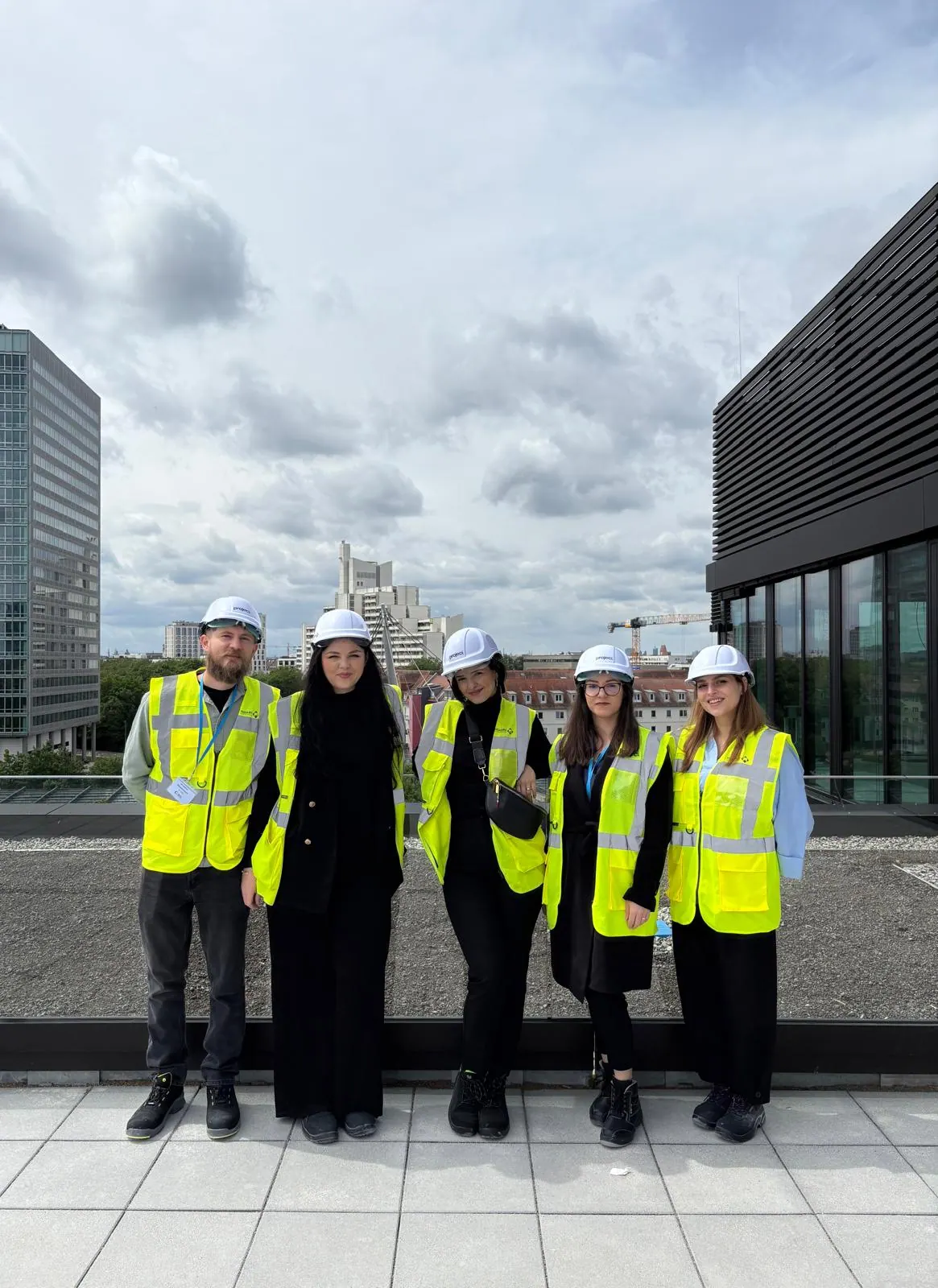
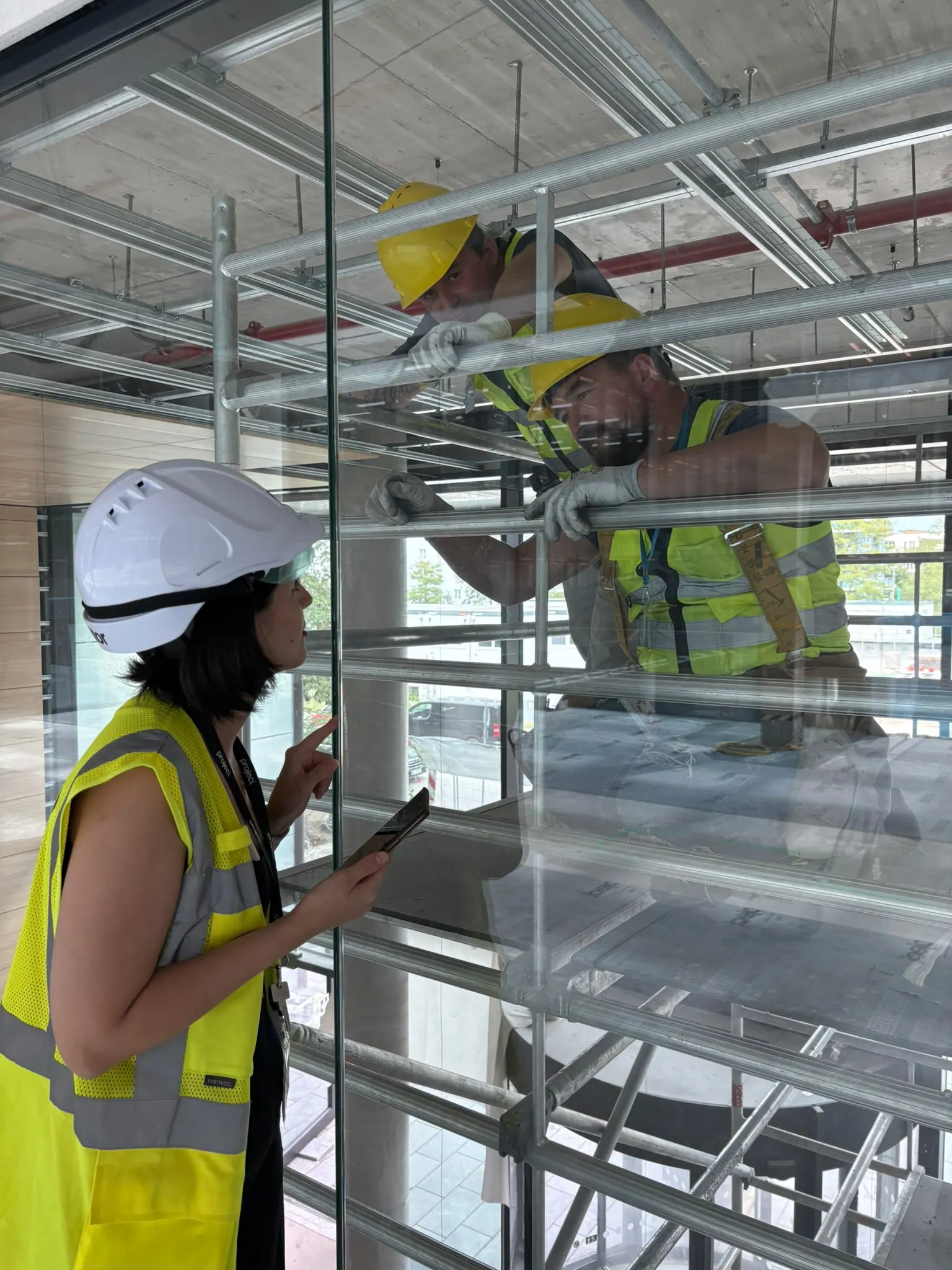
In projects like MUC21, architecture becomes a collective organism: architects, engineers, consultants, contractors. Teams that changed, teams that stayed, teams that returned at crucial moments. Each of us, from different fields, had to adjust not just our drawings, but our way of listening, understanding, and negotiating. I witnessed small victories on site that stayed with me even more than the final result: a detail executed exactly as it should be, an alignment matched to the millimeter, a problem that seemed impossible and under pressure, became a solution.
I often wondered what makes the difference between a good project and a solid one, between a successful project and a responsible one. I think the answer is this: people. Not only the talented ones, but the consistent ones. Not only the fast ones, but the attentive ones. Not only the present ones, but the committed ones. I carry them all with me: Gabriela, Teo, our partners from Project 1, MCGC and EWA. Without them, MUC21 would not exist in the form it exists today.
The completion and inauguration of MUC21 highlight not only the project’s success, but also a significant professional milestone within a long and demanding collaborative process. Each challenge we faced transformed this corporate office into an example of architectural excellence and seamless interdisciplinary collaboration. MUC21 has become a reference project in shaping my architectural approach, showing how careful attention to detail, ethical responsibility and close teamwork can result in a space that is functional, aesthetic and truly responsible.
The true measure of MUC21’s success lies not only in the finished building, but also in its positive impact on the people who work there and the high standards it sets for future projects. It remains a key point of reference in my career, demonstrating that architecture can be ethical, sustainable, and inspiring, all at once.
When a project ends, there is a kind of quiet in which you begin to understand what you truly learned. For me, MUC21 became the conclusion of an inner cycle: that architecture reveals its real face when attention, discipline, and collaboration matter most. Responsibility is not a grand word, but a gesture repeated hundreds of times and what I said at the beginning, “better than you found it”, is not a metaphor, it is an obligation.
I don’t believe architecture must be spectacular. I believe it must be correct, clean in intention, honest with its place, good for people. If you achieve that, the spectacular will come on its own. I like to believe that every project we create changes us, even if just a little. It asks something of us and it leaves something behind. MUC21 taught me that architecture is not about drawing, or coordination, or technique. Architecture is a form of respect for space, for time, for people. And if there is one thing I carry forward with me, it is this: Architecture is not what we build. Architecture is what we leave behind.
Elis Hairi, Design Director, Medaru Architects